
Building a successful career is a continuous journey of learning, improving, and adapting to new opportunities. No matter where you are in your professional life, learning new skills and gaining knowledge can help you stay competitive and achieve your career goals.
If you’re searching for 100+ Career Learning Guide, you’ve come to the right place. This guide explains everything you need to know about career learning in simple, user-friendly language. Whether you’re a student, fresh graduate, job seeker, freelancer, or working professional, these practical tips will help you grow professionally and confidently.
What Is a Career Learning Guide?
A Career Learning Guide is a roadmap that helps you develop the knowledge, skills, and habits needed for long-term professional success. It focuses on continuous learning so you can improve your abilities, adapt to industry changes, and achieve your career goals.
Career learning includes technical skills, soft skills, leadership development, communication, and industry knowledge.
Why Is Career Learning Important
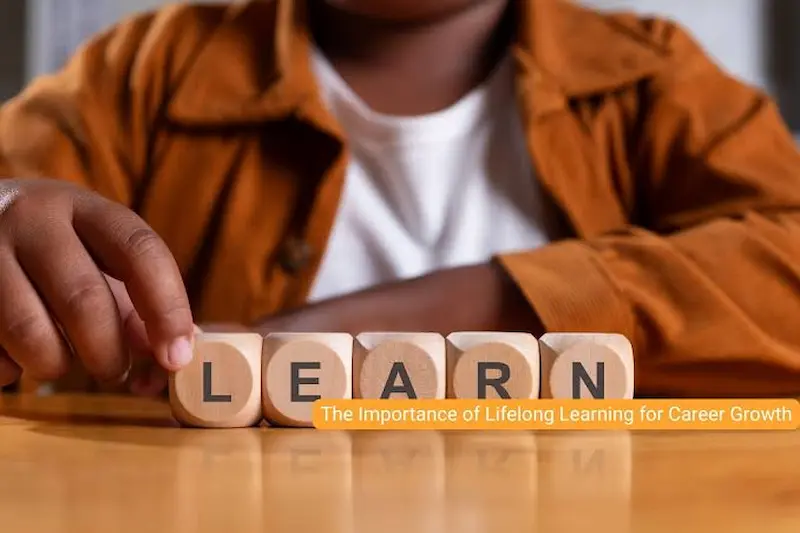
The workplace changes rapidly as technology and business practices evolve. Professionals who continue learning are more likely to secure better jobs, earn promotions, and stay valuable in their industries.
Some major benefits include:
- Better job opportunities
- Increased confidence
- Higher productivity
- Better workplace performance
- Stronger leadership skills
- Greater adaptability
- Higher earning potential
- Long-term career growth
Learning throughout your career helps you remain prepared for future opportunities.
you may also like it;
Best Learning Productivity Tools for Students
Educational Learning Tools for Students
Student Learning Apps for Better Learning
Benefits of Following a Career Learning Guide
A structured learning plan makes it easier to achieve professional success.
Some important benefits include:
- Improved decision-making.
- Better communication.
- Stronger teamwork.
- Greater problem-solving abilities.
- Better time management.
- Increased confidence.
- More career opportunities.
- Continuous professional development.
Investing in yourself is one of the smartest career decisions you can make.
Types of Career Skills You Should Learn
Successful professionals develop a combination of technical knowledge and workplace skills.
Some valuable career skills include:
- Communication
- Leadership
- Teamwork
- Time management
- Digital literacy
- Problem-solving
- Critical thinking
- Emotional intelligence
- Project management
- Customer service
- Creativity
- Adaptability
These skills are useful across almost every profession.
How to Start Your Career Learning Journey
Beginning your learning journey is easier than you may think.
Follow these simple steps:
- Set clear career goals.
- Identify your strengths and weaknesses.
- Choose skills that match your career.
- Take online courses.
- Read professional books.
- Learn from experienced mentors.
- Practice consistently.
- Review your progress regularly.
Small daily improvements lead to long-term success.
Best Career Learning Guide Tips
Here are some practical Career Learning Guide tips:
- Keep learning every day.
- Stay curious.
- Practice new skills regularly.
- Learn from feedback.
- Read industry news.
- Build professional relationships.
- Develop leadership qualities.
- Improve communication.
- Stay adaptable.
- Never stop growing.
Consistency is the foundation of career success.
Improve Communication Skills
Communication is one of the most valuable workplace skills. It helps you share ideas clearly, build trust, and work effectively with others.
Improve your communication by:
- Listening actively.
- Speaking confidently.
- Writing professional emails.
- Asking thoughtful questions.
- Giving constructive feedback.
- Practicing public speaking.
Strong communication benefits every career.
Build Leadership Skills
Leadership is important whether you’re managing a team or contributing as an individual employee.
Ways to improve leadership include:
- Take initiative.
- Support your coworkers.
- Solve problems confidently.
- Make responsible decisions.
- Encourage teamwork.
- Continue learning.
Leadership skills prepare you for future promotions.
Develop Technical Skills
Technology continues to shape every industry. Learning technical skills increases your employability and workplace efficiency.
Useful technical skills include:
- Microsoft Office
- Google Workspace
- Data analysis
- Cloud computing
- Cybersecurity
- Programming
- Digital marketing
- Project management software
Technical knowledge helps you remain competitive in today’s job market.
Improve Time Management
Time management helps you complete work efficiently while maintaining a healthy work-life balance.
Useful strategies include:
- Plan your daily schedule.
- Prioritize important tasks.
- Avoid distractions.
- Set realistic deadlines.
- Break large projects into smaller tasks.
- Review your progress daily.
Good time management improves both productivity and job satisfaction.
Common Mistakes to Avoid
Many professionals slow their career growth by repeating common mistakes.
Avoid these habits:
- Ignoring feedback.
- Avoiding continuous learning.
- Poor communication.
- Resisting change.
- Poor time management.
- Giving up too quickly.
Learning from mistakes helps you improve faster.
Career Learning Guide for Beginners
If you’re starting your career, it’s never too early to invest in learning. A strong Career Learning Guide helps you build confidence, improve your skills, and prepare for future opportunities. Instead of trying to learn everything at once, focus on one skill at a time and practice it consistently.
Begin with these simple habits:
- Set small learning goals.
- Read career-related books.
- Take beginner-friendly online courses.
- Ask questions and learn from others.
- Stay organised.
- Practice your skills every day.
- Track your progress.
Learning step by step makes your career journey more manageable and rewarding.
Career Learning Guide for Professional Development
Professional development is an ongoing process that helps you stay relevant in today’s competitive job market. Learning new skills allows you to handle greater responsibilities and prepare for future promotions.
Focus on improving areas such as:
- Communication skills.
- Leadership abilities.
- Technical knowledge.
- Time management.
- Problem-solving.
- Decision-making.
- Team collaboration.
- Digital literacy.
Continuous improvement increases both your confidence and career opportunities.
Career Learning Guide Through Online Learning
Online learning has transformed the way people develop professional skills. With thousands of high-quality courses available, you can learn from experts without leaving your home.
Benefits of online learning include:
- Flexible schedules.
- Self-paced learning.
- Affordable education.
- Professional certificates.
- Practical assignments.
- Access to global instructors.
Online learning allows you to continue developing your career while balancing work and personal responsibilities.
Career Learning Guide for Workplace Success
Success at work depends on more than technical knowledge. Employers appreciate professionals who communicate well, solve problems, and work effectively with others.
Develop workplace success by:
- Building positive relationships.
- Completing tasks on time.
- Showing responsibility.
- Accepting constructive feedback.
- Supporting team members.
- Maintaining a professional attitude.
These habits help you earn trust and grow within your organisation.
Career Learning Guide for Leadership Development
Leadership is a valuable skill that benefits professionals at every stage of their careers. Even if you are not managing a team, demonstrating leadership qualities can help you stand out.
You can improve leadership by:
- Taking initiative.
- Making responsible decisions.
- Helping colleagues.
- Staying calm during challenges.
- Motivating others.
- Continuing to learn.
Strong leadership skills prepare you for long-term career advancement.
Career Learning Guide for Building Confidence
Confidence plays an important role in professional success. When you believe in your abilities, you communicate more effectively, take on new challenges, and perform better at work.
Ways to build confidence include:
- Practicing new skills regularly.
- Preparing before meetings.
- Celebrating small achievements.
- Learning from mistakes.
- Asking for feedback.
- Continuing your education.
Confidence grows naturally as your knowledge and experience increase.
Career Learning Guide for Networking
Professional networking helps you connect with people who can support your career growth. Building strong relationships can lead to new job opportunities, mentorship, and valuable industry insights.
Effective networking tips include:
- Attend professional events.
- Join online communities.
- Connect with industry experts.
- Share your knowledge.
- Stay active on professional platforms.
- Maintain long-term relationships.
A strong professional network can open doors throughout your career.
Career Learning Guide for Future Careers
The job market continues to evolve as new technologies emerge. Professionals who continue learning will be better prepared for future career opportunities and workplace changes.
Future-focused skills include:
- Artificial intelligence awareness.
- Data literacy.
- Cloud computing.
- Digital communication.
- Critical thinking.
- Emotional intelligence.
- Creativity.
- Adaptability.
Learning these skills today helps prepare you for tomorrow’s workplace.
Common Challenges in Career Learning
Every learning journey includes obstacles, but overcoming them makes you stronger and more capable. Many professionals experience similar challenges while developing new skills.
Some common challenges include:
- Lack of confidence.
- Limited study time.
- Difficulty staying motivated.
- Fear of failure.
- Information overload.
- Inconsistent practice.
With patience, consistency, and a positive mindset, you can overcome these challenges and continue making progress.
Final Tips for Career Learning Success
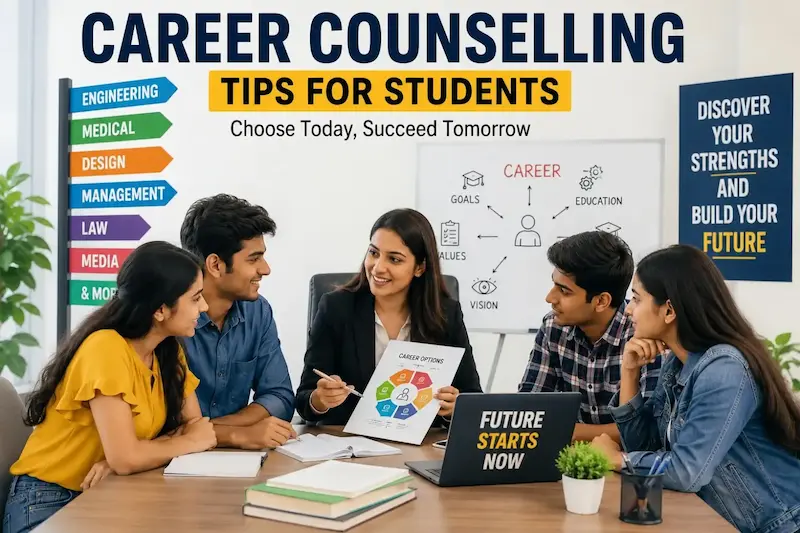
Success with a Career Learning Guide comes from making learning a lifelong habit. Stay curious, keep improving your skills, and remain open to new ideas and technologies. Every book you read, course you complete, and skill you practice adds value to your professional journey. By committing to continuous learning and applying your knowledge in real-life situations, you’ll build a successful, rewarding, and future-ready career.
What is a Career Learning Guide?
A Career Learning Guide helps individuals develop the knowledge, workplace skills, and professional habits needed for long-term career success.
Why is career learning important?
Career learning helps improve job performance, builds confidence, increases productivity, and creates better opportunities for career growth.
Which skills should I learn first?
Start with communication, time management, leadership, teamwork, digital literacy, problem-solving, and emotional intelligence.
Conclusion
This 100+ Career Learning Guide provides a practical roadmap for building the skills and knowledge needed for long-term professional success. Whether you’re improving communication, learning technical skills, developing leadership abilities, or strengthening your problem-solving skills, every step you take contributes to your career growth. Stay committed to continuous learning, embrace new opportunities, and remember that investing in your personal and professional development is one of the best decisions you can make for your future. Discover the 100+ Career Learning Guide with practical tips to improve workplace skills, leadership, communication, and achieve long-term career success.