
Getting a job is an exciting milestone, but becoming truly job-ready takes more than having a degree or certificate. Employers look for candidates who have the right mix of technical knowledge, communication skills, teamwork, problem-solving abilities, and a positive attitude. Developing these qualities helps you stand out from other applicants and perform confidently in the workplace.
If you’re searching for 100+ Job Ready Skills, you’ve come to the right place. This guide explains everything you need to know about becoming job-ready in simple, user-friendly language. Whether you’re a student, fresh graduate, job seeker, or someone planning a career change, these practical tips will help you prepare for success.
What Are Job Ready Skills?
Job Ready Skills are the abilities and qualities that help you perform effectively in a professional workplace. They include both technical skills and soft skills that employers value during the hiring process.
These skills help you communicate, solve problems, work with teams, manage your time, and adapt to changing work environments.
Why Are Job Ready Skills Important

Today’s employers want candidates who can contribute from their first day on the job. Having strong job-ready skills improves your confidence and increases your chances of getting hired.
Some important benefits include:
- Better employment opportunities
- Higher confidence during interviews
- Improved workplace performance
- Strong communication
- Better teamwork
- Greater adaptability
- Increased productivity
- Long-term career growth
Developing these skills helps you build a successful and rewarding career.
Benefits of Learning Job Ready Skills
Investing time in Job Ready Skills offers many long-term advantages.
Some key benefits include:
- Better decision-making.
- Stronger leadership qualities.
- Improved problem-solving.
- Better customer service.
- Higher confidence.
- Increased employability.
- Better professional relationships.
- Continuous career development.
The more skills you develop, the more valuable you become to employers.
Essential Job Ready Skills Every Professional Needs
Successful employees combine technical knowledge with workplace skills.
Some of the most valuable Job Ready Skills include:
- Communication
- Teamwork
- Leadership
- Time management
- Problem-solving
- Critical thinking
- Emotional intelligence
- Adaptability
- Digital literacy
- Customer service
- Creativity
- Professional ethics
Learning these skills prepares you for success in almost every industry.
How to Start Building Job Ready Skills
Developing workplace skills is easier when you follow a structured learning plan.
Here are some simple steps:
- Set clear career goals.
- Identify your strengths and weaknesses.
- Learn one skill at a time.
- Take online courses.
- Practice regularly.
- Read professional books.
- Seek feedback from mentors.
- Track your progress.
Small improvements every day create long-term success.
you may also like it;
Best Learning Productivity Tools for Students
Educational Learning Tools for Students
Student Learning Apps for Better Learning
Best Job Ready Skills Tips
Here are some practical Job Ready Skills tips you can start using today:
- Stay curious and keep learning.
- Communicate clearly.
- Practice teamwork.
- Improve your technical knowledge.
- Build leadership qualities.
- Manage your time effectively.
- Stay organised.
- Accept constructive feedback.
- Develop a positive attitude.
- Never stop improving.
Consistency is the key to becoming job-ready.
Improve Your Communication Skills
Communication is one of the most important workplace skills. Clear communication helps you build trust, avoid misunderstandings, and work effectively with colleagues and customers.
Improve communication by:
- Listening actively.
- Speaking confidently.
- Writing professional emails.
- Asking thoughtful questions.
- Giving respectful feedback.
- Practicing presentations.
Strong communication creates better workplace relationships.
Build Teamwork Skills
Almost every organisation relies on teamwork to achieve its goals. Employees who collaborate effectively are highly valued.
Ways to improve teamwork include:
- Respect different opinions.
- Support your coworkers.
- Share ideas openly.
- Help solve problems.
- Complete assigned tasks.
- Celebrate team success.
Working well with others increases productivity and creates a positive work environment.
Develop Time Management Skills
Managing your time wisely helps you complete tasks efficiently while reducing workplace stress.
Useful strategies include:
- Plan your day.
- Prioritise important work.
- Avoid distractions.
- Set realistic deadlines.
- Break projects into smaller tasks.
- Review your daily progress.
Good time management improves both productivity and work quality.
Learn Digital Skills
Technology plays an important role in today’s workplace. Digital skills help you perform tasks more efficiently and stay competitive.
Useful digital skills include:
- Microsoft Office
- Google Workspace
- Data analysis
- Digital marketing
- Cloud computing
- Project management software
- Cybersecurity basics
- Basic programming
Developing digital skills improves your career opportunities.
Prepare for Job Interviews
Strong interview skills help you present yourself professionally and confidently.
Interview preparation tips include:
- Research the company.
- Practice common interview questions.
- Dress professionally.
- Arrive on time.
- Maintain eye contact.
- Ask thoughtful questions.
Good preparation increases your confidence and improves your chances of success.
Common Mistakes to Avoid
Many job seekers make avoidable mistakes that reduce their chances of getting hired.
Avoid these habits:
- Poor communication.
- Arriving late.
- Ignoring feedback.
- Lack of preparation.
- Weak teamwork.
- Failing to update your skills.
Learning from mistakes helps you improve faster.
Job Ready Skills for Beginners
If you’re entering the job market for the first time, learning Job Ready Skills can give you a strong advantage. Employers appreciate candidates who are eager to learn, communicate well, and work responsibly. Start by mastering the basics before moving on to advanced workplace skills.
Begin with these simple habits:
- Learn something new every day.
- Be punctual.
- Stay organised.
- Ask questions when needed.
- Complete tasks responsibly.
- Practice professional communication.
- Maintain a positive attitude.
Building these habits early will prepare you for long-term career success.
Job Ready Skills for Workplace Success
Being job-ready means more than getting hired. It also means performing well after you start your job. Strong workplace skills help you build trust, improve productivity, and create positive relationships with your colleagues.
Focus on developing these workplace habits:
- Arrive on time.
- Meet deadlines consistently.
- Respect workplace policies.
- Communicate professionally.
- Support your team members.
- Stay willing to learn.
These simple habits help you become a dependable and valued employee.
Job Ready Skills Through Online Learning
Online learning offers an easy and affordable way to improve your professional abilities. You can study at your own pace while gaining practical knowledge that employers value.
Benefits of online learning include:
- Flexible study schedules.
- Affordable learning options.
- Industry-recognised certificates.
- Practical assignments.
- Self-paced lessons.
- Access to expert instructors.
Continuous learning keeps your skills relevant in today’s changing job market.
Job Ready Skills for Professional Communication
Professional communication is one of the most important qualities employers expect. It helps you express ideas clearly, avoid misunderstandings, and build stronger workplace relationships.
Improve your communication skills by:
- Listening carefully.
- Speaking confidently.
- Writing professional emails.
- Asking thoughtful questions.
- Giving respectful feedback.
- Improving your presentation skills.
Clear communication increases confidence and workplace effectiveness.
Job Ready Skills for Problem-Solving
Every workplace presents challenges that require practical solutions. Employees who can analyse problems and make smart decisions are highly valued by employers.
Develop your problem-solving skills by:
- Understanding the problem.
- Gathering useful information.
- Thinking of multiple solutions.
- Evaluating possible outcomes.
- Making informed decisions.
- Learning from each experience.
Strong problem-solving skills help you handle workplace challenges with confidence.
Job Ready Skills for Leadership Development
Leadership is valuable at every stage of your career. Even if you’re starting in an entry-level position, demonstrating leadership qualities can help you grow faster.
Improve your leadership skills by:
- Taking responsibility.
- Supporting your teammates.
- Staying calm during challenges.
- Motivating others.
- Making thoughtful decisions.
- Leading by example.
Leadership skills prepare you for promotions and greater responsibilities.
Job Ready Skills for Career Growth
Career growth depends on your willingness to improve and adapt. Professionals who continue learning often receive better opportunities and increased responsibilities.
Focus on building these career skills:
- Communication.
- Leadership.
- Digital literacy.
- Adaptability.
- Critical thinking.
- Project management.
- Customer service.
- Time management.
Continuous improvement helps you stay competitive throughout your career.
Common Challenges When Building Job Ready Skills
Developing workplace skills takes time and practice. Many job seekers face similar challenges, especially when beginning their careers.
Some common challenges include:
- Lack of confidence.
- Limited work experience.
- Fear of interviews.
- Weak communication.
- Difficulty managing time.
- Keeping skills up to date.
With regular practice and a positive mindset, these challenges become much easier to overcome.
Future of Job Ready Skills
The workplace continues to evolve as technology advances and industries change. Employers increasingly value professionals who can learn quickly, adapt to change, and collaborate effectively with others.
Future-ready skills include:
- Artificial intelligence awareness.
- Digital communication.
- Data literacy.
- Cloud computing basics.
- Emotional intelligence.
- Creativity.
- Collaboration.
- Continuous learning.
Developing these skills today will prepare you for future career opportunities.
Final Tips for Job Ready Skills Success
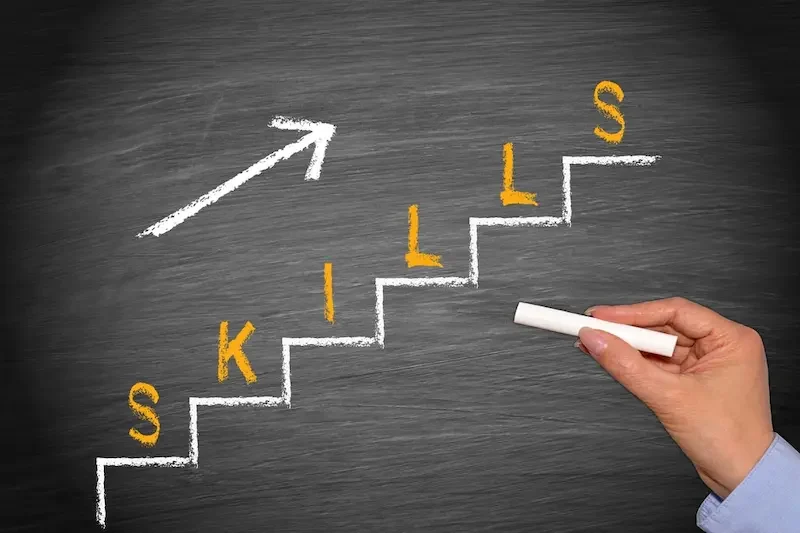
Success with Job Ready Skills comes from continuous learning, practical experience, and a commitment to personal growth. Keep improving your communication, technical knowledge, teamwork, and leadership abilities. Stay open to feedback, embrace new challenges, and never stop learning. Every skill you develop increases your confidence, strengthens your resume, and brings you closer to achieving long-term career success.
What are Job Ready Skills?
Job Ready Skills are workplace abilities such as communication, teamwork, leadership, problem-solving, digital literacy, and time management that help people succeed in their careers.
Why are Job Ready Skills important?
They improve employability, increase confidence, strengthen workplace performance, and help professionals build successful careers.
Which Job Ready Skills are most valuable?
Communication, teamwork, leadership, adaptability, problem-solving, digital literacy, emotional intelligence, and time management are among the most valuable job-ready skills.
Conclusion
This 100+ Job Ready Skills guide provides a practical roadmap for preparing yourself for today’s competitive job market. By improving your communication, teamwork, leadership, technical knowledge, and time management, you become more confident and capable in any workplace. Keep learning, practise consistently, and remember that every new skill you develop brings you one step closer to achieving your career goals and long-term professional success.