
In today’s digital world, technical skills are more important than ever. Whether you’re a student, job seeker, freelancer, or working professional, learning technical skills can help you find better job opportunities, increase your income, and stay competitive in your industry.
If you’re searching for a 100+ Technical Skills Guide, you’ve come to the right place. This guide explains everything you need to know about technical skills, how to learn them, and how they can improve your career. The article is written in simple, user-friendly language, just like talking to a friend.
What Is a Technical Skills Guide?
A Technical Skills Guide is a resource that helps you understand, learn, and improve the technical abilities needed for different careers. These skills are usually learned through education, online courses, certifications, or hands-on practice.
Technical skills can range from basic computer knowledge to advanced programming, cybersecurity, cloud computing, and data analysis.
Why Is a Technical Skills Guide Important
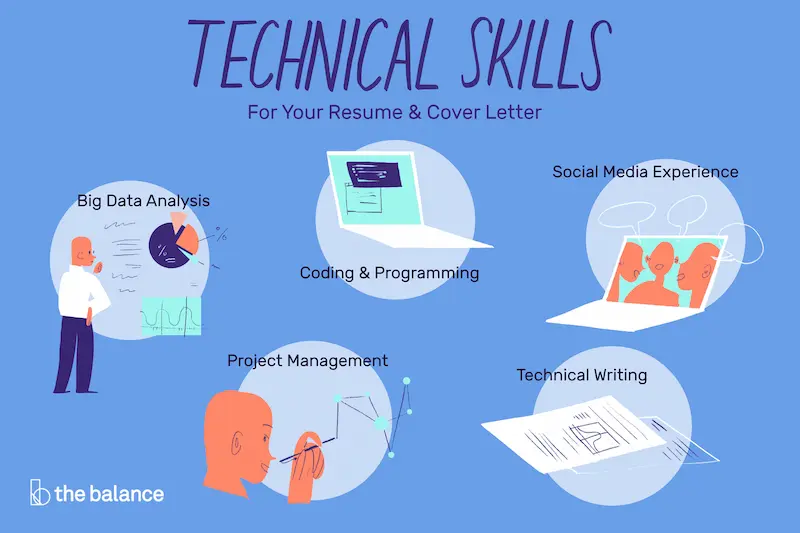
Technology is changing every industry. Employers are looking for candidates who have practical technical knowledge and can use modern tools efficiently.
Some major benefits include:
- Better job opportunities
- Higher earning potential
- Increased productivity
- Better career growth
- Improved problem-solving
- Greater workplace confidence
- Higher demand in the job market
- Continuous professional development
Learning technical skills today helps you prepare for tomorrow’s careers.
you may also like it;
Best Learning Productivity Tools for Students
Educational Learning Tools for Students
Student Learning Apps for Better Learning
Benefits of Learning Technical Skills
Developing technical skills offers many personal and professional advantages.
Some important benefits include:
- Better workplace performance.
- Improved efficiency.
- Increased employability.
- Greater confidence.
- Better decision-making.
- More freelancing opportunities.
- Career advancement.
- Lifelong learning.
The more technical skills you develop, the more valuable you become in the workplace.
Types of Technical Skills
There are many technical skills that are useful across different industries.
Some of the most popular technical skills include:
- Computer skills
- Programming
- Web development
- Graphic design
- Digital marketing
- Data analysis
- Cybersecurity
- Cloud computing
- Database management
- Video editing
- Artificial intelligence
- Machine learning
Choosing the right technical skill depends on your career goals and interests.
How to Start Learning Technical Skills
Starting your learning journey is easier than ever because thousands of online resources are available.
Follow these simple steps:
- Choose one technical skill.
- Set clear learning goals.
- Join an online course.
- Practice every day.
- Work on small projects.
- Learn from experienced professionals.
- Build a portfolio.
- Keep improving your knowledge.
Regular practice is the fastest way to master technical skills.
Best Technical Skills Guide Tips
Here are some practical Technical Skills Guide tips:
- Practice consistently.
- Learn by doing real projects.
- Stay updated with new technology.
- Read technical blogs.
- Watch tutorial videos.
- Join online communities.
- Build a strong portfolio.
- Ask for feedback.
- Solve real-world problems.
- Never stop learning.
Small improvements every day create long-term success.
Most In-Demand Technical Skills
Some technical skills are in high demand across many industries.
Popular skills include:
- Python programming
- JavaScript
- HTML and CSS
- SQL
- Microsoft Excel
- Power BI
- Cloud computing
- Cybersecurity
- Artificial intelligence
- Data analytics
Learning one or more of these skills can significantly improve your career opportunities.
Improve Your Computer Skills
Computer literacy is the foundation of many technical careers.
Improve your computer skills by learning:
- Microsoft Office
- Google Workspace
- File management
- Internet research
- Keyboard shortcuts
- Email management
Strong computer skills make everyday work faster and more efficient.
Learn Programming Skills
Programming is one of the most valuable technical skills today.
Popular programming languages include:
- Python
- JavaScript
- Java
- C++
- C#
- PHP
Learning to code opens opportunities in software development, web development, automation, and artificial intelligence.
Build Digital Skills
Digital skills are becoming essential in almost every profession.
Useful digital skills include:
- Social media marketing
- Search engine optimization (SEO)
- Content management systems
- Graphic design
- Video editing
- Data visualization
These skills help businesses grow and improve your career prospects.
Common Mistakes to Avoid
Many beginners make mistakes while learning technical skills.
Avoid these common habits:
- Trying to learn too many skills at once.
- Skipping practical projects.
- Giving up too early.
- Ignoring feedback.
- Not updating your knowledge.
- Learning without practice.
Practical experience is just as important as theory.
Technical Skills Guide for Beginners
If you’re new to technology, don’t worry about learning everything at once. Every expert started as a beginner. Choose one technical skill that matches your career goals and spend time practising it regularly. Small, consistent efforts will help you build confidence and improve your abilities.
Here are some beginner-friendly Technical Skills Guide tips:
- Start with basic computer skills.
- Learn one skill at a time.
- Practice every day.
- Watch free tutorials.
- Read beginner-friendly guides.
- Complete simple projects.
- Track your learning progress.
A strong foundation makes advanced learning much easier.
Technical Skills Guide for Career Growth
Technical skills can help you qualify for better jobs and increase your earning potential. Companies value employees who stay updated with new tools and technologies.
Focus on developing skills such as:
- Programming
- Data analysis
- Cloud computing
- Cybersecurity
- Digital marketing
- Database management
- Artificial intelligence
- Project management tools
Learning these skills can help you advance in almost any industry.
Technical Skills Guide for Students
Students who begin learning technical skills early often have a competitive advantage when entering the job market. Practical knowledge complements academic education and prepares you for real-world challenges.
Students should consider learning:
- Microsoft Office
- Google Workspace
- Basic programming
- Presentation skills
- Research skills
- Graphic design
- Spreadsheet management
- Online collaboration tools
Building these skills while studying can improve future career opportunities.
Technical Skills Guide Through Online Learning
Online learning has made technical education more accessible than ever. You can learn from experienced instructors and complete courses at your own pace.
Benefits of online learning include:
- Flexible schedules.
- Affordable courses.
- Hands-on assignments.
- Professional certificates.
- Self-paced learning.
- Access to global instructors.
Online learning allows you to improve your skills without interrupting your daily routine.
Technical Skills Guide for Programming
Programming is one of the most valuable technical skills in today’s job market. Learning to write code helps you create websites, mobile apps, software, and automation tools.
Popular programming languages include:
- Python
- JavaScript
- Java
- C++
- C#
- PHP
Regular coding practice is the fastest way to improve your programming abilities.
Technical Skills Guide for Data Analysis
Data analysis helps businesses make informed decisions using real information. Professionals with data analysis skills are in high demand across many industries.
Useful tools to learn include:
- Microsoft Excel
- SQL
- Power BI
- Tableau
- Python
- Google Sheets
Developing analytical skills helps you understand trends and solve business problems.
Technical Skills Guide for Cybersecurity
As cyber threats continue to increase, cybersecurity has become one of the fastest-growing career fields. Learning security fundamentals helps protect systems and sensitive information.
Important cybersecurity topics include:
- Password security.
- Network security.
- Data protection.
- Multi-factor authentication.
- Safe internet practices.
- Threat detection.
Cybersecurity knowledge is valuable for both individuals and businesses.
Technical Skills Guide for Cloud Computing
Cloud computing allows businesses to store data and run applications online. It has become one of the most in-demand technical skills worldwide.
Popular cloud platforms include:
- Amazon Web Services (AWS)
- Microsoft Azure
- Google Cloud Platform (GCP)
Learning cloud technologi
Future of Technical Skills
Technology continues to evolve, and the demand for skilled professionals is growing every year. New tools, software, and digital solutions are changing the way businesses operate, making technical knowledge more valuable than ever. Keeping your skills up to date helps you stay competitive and ready for new career opportunities.
Some future-ready technical skills include:
- Artificial intelligence (AI)
- Machine learning
- Cloud computing
- Cybersecurity
- Data science
- Internet of Things (IoT)
- Blockchain technology
- Automation and robotics
By following this Technical Skills Guide and committing to continuous learning, you can build a successful career in the digital world. The more you practice and improve your technical skills, the more opportunities you’ll create for personal growth, career advancement, and long-term success.
Importance of Technical Skills in Today’s Workplace
Technical skills have become essential in almost every profession. Whether you work in healthcare, education, finance, marketing, engineering, or information technology, employers expect candidates to understand modern tools and digital systems. People with strong technical skills often complete tasks more efficiently, adapt to new technologies quickly, and contribute more effectively to their organizations. Investing time in learning technical skills today can provide long-term career benefits and help you remain competitive in a rapidly changing job market.
Technical Skills for Freelancing Opportunities
Freelancing has become a popular career option, and technical skills are the foundation of many successful freelance businesses. Clients around the world look for professionals who can deliver high-quality technical services remotely. Learning valuable technical skills allows you to work independently, build your own client base, and earn income from multiple projects.
Popular freelance technical skills include:
- Web development
- Graphic design
- Video editing
- Mobile app development
- Search Engine Optimization (SEO)
- Content management
- WordPress development
- Data analysis
With the right technical skills and a strong portfolio, you can find freelance opportunities from clients across the globe.
Building a Technical Skills Portfolio
Learning technical skills is important, but showing your work is equally valuable. A professional portfolio allows employers and clients to see your abilities through real examples instead of simply reading about them on your resume.
Your portfolio can include:
- Personal projects.
- Website designs.
- Programming applications.
- Data analysis reports.
- Graphic design samples.
- Mobile applications.
- Technical documentation.
- Case studies.
A well-organized portfolio demonstrates your practical experience and increases your chances of getting hired.
Technical Skills and Professional Certifications
Professional certifications help validate your knowledge and demonstrate your commitment to continuous learning. Many employers prefer candidates who have completed recognised certification programmes because they show practical understanding of industry standards.
Some popular certification areas include:
- Cloud computing
- Cybersecurity
- Data analytics
- Project management
- Microsoft Office
- Google Workspace
- Networking
- Digital marketing
Earning certifications alongside practical experience can make your resume more competitive.
Technical Skills for Small Business Owners
Technical knowledge isn’t only useful for employees. Small business owners also benefit from learning technical skills that improve business operations and customer service. Understanding digital tools can help reduce costs, improve productivity, and grow a business more efficiently.
Useful technical skills for entrepreneurs include:
- Website management.
- Social media marketing.
- Email marketing.
- Online advertising.
- Customer relationship management (CRM).
- Inventory management software.
- Financial software.
- Data reporting.
These skills help business owners make informed decisions and manage daily operations more effectively.
How Technical Skills Improve Problem-Solving
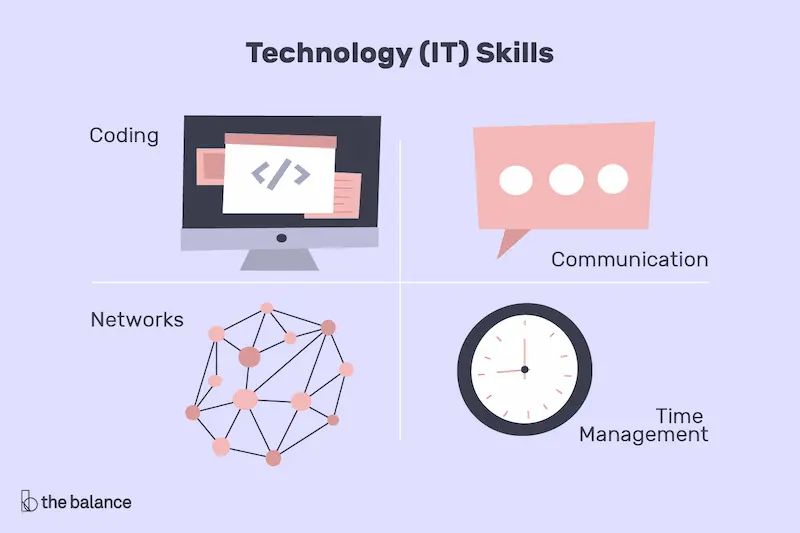
One of the biggest advantages of technical skills is the ability to solve real-world problems. Whether you’re fixing software issues, analysing data, improving a website, or automating repetitive tasks, technical knowledge allows you to find practical and efficient solutions.
As your experience grows, you’ll become better at identifying problems, testing different approaches, and implementing solutions that save both time and resources. Strong problem-solving abilities are highly valued in every industry and can significantly improve your professional reputation.
What is a Technical Skills Guide?
A Technical Skills Guide helps people learn technical abilities such as programming, data analysis, cybersecurity, cloud computing, and other job-related skills.
Why are technical skills important?
Technical skills improve employability, increase productivity, help you solve complex problems, and create better career opportunities.
Which technical skills are most in demand?
Python, JavaScript, SQL, cloud computing, cybersecurity, data analytics, artificial intelligence, and digital marketing are among today’s most in-demand technical skills.
Conclusion
This 100+ Technical Skills Guide provides a simple roadmap for learning the skills needed in today’s technology-driven world. Whether you’re interested in programming, cybersecurity, cloud computing, digital marketing, or data analysis, every new skill you develop strengthens your career potential. Stay curious, practice consistently, work on real projects, and keep updating your knowledge. Continuous learning is the key to long-term success in any technical field.