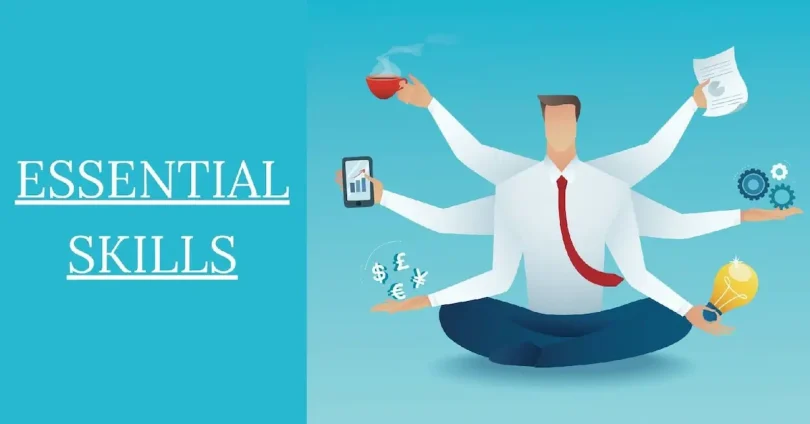

Getting a job is important, but keeping it and growing in your career depends on the skills you develop. Employers today are looking for people who can communicate well, solve problems, work with others, and adapt to changing work environments. Whether you’re a student, a recent graduate, or an experienced professional, learning the right job skills can help you stand out from the competition.
If you’re searching for 100+ Essential Job Skills, you’ve come to the right place. This guide explains the most important workplace skills you should develop to improve your performance, increase your confidence, and achieve long-term career success. /Everything is written in simple, user-friendly language, just like talking to a friend.
What Are Essential Job Skills?
Essential Job Skills are the abilities that help you perform your work effectively. These include both technical skills, which are specific to your job, and soft skills, which help you communicate, collaborate, and solve problems.
Developing these skills makes you a more valuable employee and improves your chances of career growth.
Why Are Essential Job Skills Important
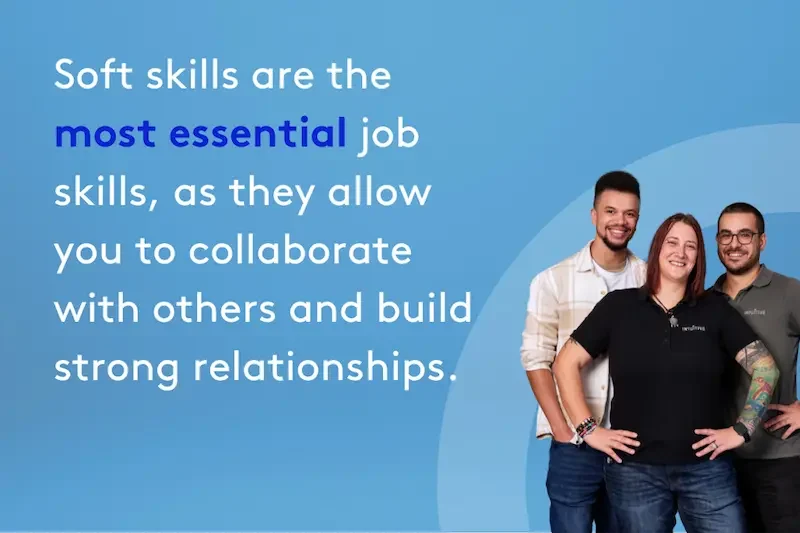
Every workplace values employees who can adapt, learn quickly, and work well with others. Strong job skills help you complete tasks efficiently and build positive relationships with coworkers and managers.
Some important benefits include:
- Better job performance
- Increased confidence
- Higher productivity
- Improved teamwork
- Better communication
- More career opportunities
- Stronger leadership potential
- Greater job satisfaction
Investing in your skills today can create more opportunities in the future.
Benefits of Learning Essential Job Skills
Building workplace skills helps you succeed in almost every profession.
Some key benefits include:
- Better problem-solving abilities.
- Improved decision-making.
- Stronger professional relationships.
- Better customer service.
- Increased adaptability.
- Greater confidence at work.
- Better chances of promotion.
- Long-term career growth.
Every new skill you learn makes you more prepared for workplace challenges.
you may also like it;
Best Learning Productivity Tools for Students
Educational Learning Tools for Students
Student Learning Apps for Better Learning
Types of Essential Job Skills
Successful professionals combine technical knowledge with strong interpersonal skills.
Some of the most valuable Essential Job Skills include:
- Communication skills
- Teamwork
- Time management
- Leadership
- Problem-solving
- Critical thinking
- Adaptability
- Computer skills
- Digital literacy
- Customer service
- Creativity
- Emotional intelligence
Developing a balanced skill set helps you perform better in any industry.
How to Start Developing Essential Job Skills
Building workplace skills doesn’t have to be difficult. Start with one area, practice consistently, and improve over time.
Here are a few simple steps:
- Set clear career goals.
- Identify skills you want to improve.
- Take online courses.
- Read professional books.
- Learn from experienced colleagues.
- Practice your skills every day.
- Ask for constructive feedback.
- Track your progress regularly.
Small daily improvements lead to long-term success.
Best Essential Job Skills Tips
Here are some practical Essential Job Skills tips you can apply every day:
- Stay curious and keep learning.
- Improve your communication.
- Manage your time effectively.
- Be open to feedback.
- Solve problems calmly.
- Work well with others.
- Stay organized.
- Learn new technology.
- Maintain a positive attitude.
- Never stop improving.
Consistency is the key to career growth.
Improve Your Communication Skills
Communication is one of the most important workplace skills. It helps you share ideas, avoid misunderstandings, and build strong professional relationships.
You can improve communication by:
- Listening actively.
- Speaking clearly.
- Writing professional emails.
- Asking thoughtful questions.
- Giving constructive feedback.
- Respecting different opinions.
Strong communication creates trust and improves teamwork.
Build Strong Teamwork Skills
Almost every job requires collaboration with other people. Good teamwork helps projects run smoothly and improves workplace relationships.
Ways to become a better team player include:
- Respect your coworkers.
- Share ideas openly.
- Help others when needed.
- Accept different viewpoints.
- Complete your responsibilities.
- Support team goals.
Working well with others benefits both you and your organization.
Improve Time Management
Managing your time effectively helps you complete tasks without unnecessary stress.
Useful strategies include:
- Plan your workday.
- Prioritize important tasks.
- Avoid distractions.
- Set realistic deadlines.
- Break large projects into smaller tasks.
- Review your progress daily.
Good time management improves productivity and work quality.
Develop Leadership Skills
Leadership is valuable at every career level, not just for managers.
Ways to strengthen leadership include:
- Take responsibility.
- Make thoughtful decisions.
- Encourage teamwork.
- Stay calm under pressure.
- Solve problems confidently.
- Continue learning.
Strong leaders motivate others through positive actions.
Learn Digital Skills
Technology plays an important role in today’s workplace. Learning digital skills helps you stay competitive in almost every industry.
Useful digital skills include:
- Microsoft Office
- Google Workspace
- Data analysis
- Video conferencing tools
- Project management software
- Digital marketing
- Basic coding
- Cybersecurity awareness
Digital knowledge increases your value as an employee.
Common Mistakes to Avoid
Many professionals slow their career growth by repeating common mistakes.
Avoid these habits:
- Poor communication.
- Ignoring feedback.
- Resisting change.
- Missing deadlines.
- Avoiding teamwork.
- Not updating your skills.
Learning from mistakes helps you improve faster.
Essential Job Skills for Beginners
Starting your first job can feel exciting and challenging at the same time. The good news is that you don’t need to know everything on your first day. Employers understand that beginners are still learning. What matters most is your willingness to improve, learn from feedback, and work with a positive attitude.
Here are some beginner-friendly Essential Job Skills:
- Be punctual every day.
- Listen carefully to instructions.
- Ask questions when you’re unsure.
- Stay organized.
- Learn from experienced coworkers.
- Complete tasks on time.
- Keep a positive attitude.
Building these habits early helps you become a reliable and trusted employee.
Essential Job Skills for Better Communication
Communication is one of the most valuable workplace skills. Whether you’re talking with your manager, coworkers, or customers, clear communication helps avoid misunderstandings and improves teamwork.
Improve your communication by:
- Listening actively.
- Speaking politely and confidently.
- Writing clear emails.
- Asking thoughtful questions.
- Giving respectful feedback.
- Paying attention to body language.
Good communication creates stronger workplace relationships and helps you perform better.
Essential Job Skills for Time Management
Managing your time wisely allows you to finish tasks efficiently without feeling overwhelmed. Employees who manage their time well are often more productive and dependable.
Here are some useful time management tips:
- Create a daily task list.
- Prioritize important work.
- Set realistic deadlines.
- Avoid unnecessary distractions.
- Complete one task before starting another.
- Review your progress at the end of the day.
Strong time management skills reduce stress and improve work quality.
Essential Job Skills for Teamwork
Almost every workplace requires employees to work with others. Being a supportive and cooperative team member helps projects succeed and creates a positive work environment.
Ways to improve teamwork include:
- Respect your colleagues.
- Share ideas openly.
- Help others when needed.
- Accept different opinions.
- Take responsibility for your work.
- Celebrate team achievements.
Strong teamwork leads to better results and stronger professional relationships.
Essential Job Skills for Problem-Solving
Every job involves challenges that require practical solutions. Good problem-solving skills help you think clearly and make better decisions under pressure.
Improve your problem-solving skills by:
- Identifying the root cause.
- Collecting relevant information.
- Considering different solutions.
- Choosing the best option.
- Learning from each experience.
- Staying calm during difficult situations.
Strong problem-solving skills make you more valuable to any employer.
Essential Job Skills for Leadership
Leadership isn’t only for managers. Employees at every level can show leadership by taking responsibility and helping others.
Develop leadership skills by:
- Taking initiative.
- Supporting your teammates.
- Staying positive during challenges.
- Making thoughtful decisions.
- Encouraging others.
- Continuing to learn.
Leadership qualities help you earn trust and prepare you for future promotions.
Essential Job Skills for Career Growth
Building your skills is one of the best ways to advance in your career. Employers often reward employees who continue learning and improving.
Focus on developing skills such as:
- Communication
- Leadership
- Project management
- Critical thinking
- Adaptability
- Customer service
- Digital literacy
- Decision-making
Continuous learning creates more career opportunities.
Essential Job Skills for Remote Work
As remote and hybrid jobs become more common, employees need skills that help them stay productive outside a traditional office.
Important remote work skills include:
- Self-discipline.
- Virtual communication.
- Time management.
- Digital collaboration.
- Task organization.
- Independent problem-solving.
Developing these skills helps you succeed in flexible work environments.
Healthy Habits That Improve Job Performance
Your health plays an important role in workplace success. Healthy habits improve concentration, energy, and productivity throughout the day.
Build these healthy habits:
- Get enough sleep.
- Eat nutritious meals.
- Exercise regularly.
- Stay hydrated.
- Take short breaks.
- Maintain a positive mindset.
Healthy employees often perform better and experience less stress.
Future of Essential Job Skills
The workplace continues to evolve with new technologies and changing business needs. Employees who continue learning will stay competitive in the job market.
Future-ready skills include:
- Artificial intelligence awareness.
- Data analysis.
- Cloud computing.
- Cybersecurity.
- Emotional intelligence.
- Creative thinking.
- Adaptability.
- Digital collaboration.
Learning future-focused skills prepares you for long-term career success.
Final Tips for Essential Job Skills Success

Success in developing Essential Job Skills comes from continuous learning, regular practice, and a willingness to improve. Stay curious, seek feedback, embrace new challenges, and update your skills as industries evolve. Every new skill you develop increases your confidence, improves your work performance, and brings you closer to achieving your long-term career goals. Continuous improvement is the key to lasting professional success.
What are Essential Job Skills?
Essential Job Skills are the technical and soft skills that help employees perform effectively, communicate well, solve problems, and succeed in the workplace.
Why are Essential Job Skills important?
They improve job performance, increase productivity, strengthen teamwork, and help you qualify for better career opportunities.
Which job skills are most valuable?
Communication, teamwork, leadership, problem-solving, time management, adaptability, digital literacy, and emotional intelligence are among the most valuable workplace skills.
Conclusion
This 100+ Essential Job Skills guide is designed to help you build the knowledge and abilities needed for workplace success. Whether you’re improving communication, strengthening leadership, learning digital tools, or becoming better at teamwork, every skill you develop contributes to your personal and professional growth. Stay committed to learning, practice consistently, and remember that improving your skills is one of the best investments you can make for a successful and rewarding career.