
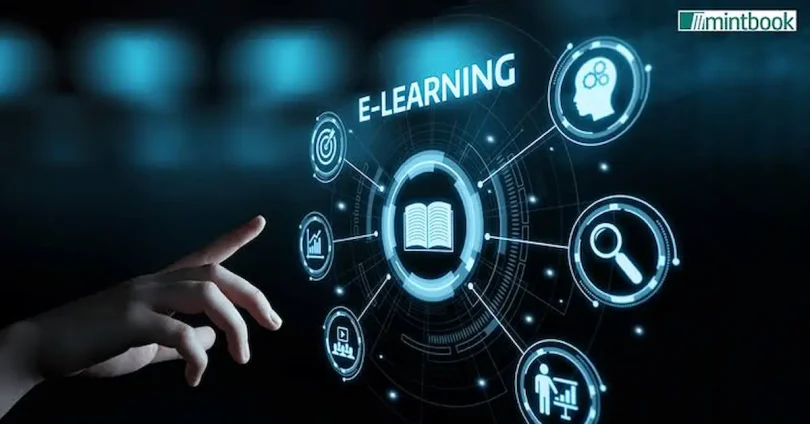

Technology has completely changed the way we learn. Today, students, teachers, professionals, and lifelong learners can access thousands of educational resources with just a few clicks. The right digital learning tools help you study more efficiently, stay organized, improve your skills, and achieve your learning goals faster.
If you’re searching for 100+ Digital Learning Tools, you’ve come to the right place. This guide explains everything you need to know about digital learning tools in simple, user-friendly language. Whether you’re preparing for exams, learning a new skill, or advancing your career, these practical tips will help you make the most of modern technology.
What Are Digital Learning Tools?
Digital Learning Tools are websites, mobile apps, software, and online platforms that help people learn, practice skills, organize study materials, and improve knowledge. These tools make education more interactive, flexible, and accessible.
Digital learning tools are commonly used for:
- Online education
- School learning
- College studies
- Professional training
- Language learning
- Skill development
- Exam preparation
- Personal growth
Using the right digital tools makes learning easier and more enjoyable.
Why Are Digital Learning Tools Important

Modern education depends heavily on technology. Digital Learning Tools provide instant access to educational content, interactive lessons, quizzes, and collaboration features that improve the overall learning experience.
Some major benefits include:
- Flexible learning schedules
- Better organization
- Improved productivity
- Interactive lessons
- Easy access to study materials
- Faster revision
- Better knowledge retention
- Continuous learning opportunities
These tools help learners study anytime and anywhere.
you may also like it;
Best Learning Productivity Tools for Students
Educational Learning Tools for Students
Student Learning Apps for Better Learning
Benefits of Using Digital Learning Tools
Using Digital Learning Tools offers many advantages for students, teachers, and professionals.
Some important benefits include:
- Better concentration.
- Improved memory.
- Personalized learning.
- Easy note organization.
- Better collaboration.
- Time-saving features.
- Increased confidence.
- Better academic and professional performance.
Technology helps learners study smarter instead of harder.
Types of Digital Learning Tools
Different learners have different needs. Understanding the various types of digital learning tools helps you choose the right ones.
Popular categories include:
- Learning management systems
- Note-taking applications
- Flashcard tools
- Educational video platforms
- Online quiz creators
- Mind mapping software
- Productivity applications
- Cloud storage services
Each category supports a different part of the learning process.
How to Choose the Best Digital Learning
Choosing the right learning tools depends on your personal goals and learning style.
Consider these factors:
- Easy to use.
- Mobile compatibility.
- Affordable pricing.
- Offline availability.
- Progress tracking.
- User reviews.
- Regular updates.
- Useful learning features.
Selecting the right tools improves your learning experience and saves valuable time.
Best Digital Learning for Students
Students can use digital learning tools to improve study habits and prepare for exams more efficiently.
Helpful resources include:
- Digital notebooks.
- Flashcard applications.
- Study planners.
- Educational videos.
- Practice quizzes.
- Homework organizers.
- Online libraries.
- Study timers.
These tools help students stay organized and motivated.
Best Digital Tools for Professionals
Professional development requires continuous learning. Digital learning tools make it easier to build workplace skills and earn certifications.
Useful professional learning tools include:
- Online certification platforms.
- Project management software.
- Video conferencing tools.
- Productivity applications.
- Collaboration software.
- Document sharing platforms.
- Time management tools.
- Digital skill training platforms.
Continuous learning supports long-term career growth.
Improve Learning with Technology
Technology makes learning more interactive through videos, simulations, quizzes, and personalized learning experiences.
Digital learning provides:
- Interactive lessons.
- Instant feedback.
- Mobile learning.
- Cloud storage.
- Progress reports.
- Personalized recommendations.
- Practical exercises.
- Flexible study schedules.
These features help learners understand topics more effectively.
Best Study Habits with Digital Learning Tools
Even the best Digital work better when combined with good study habits.
Develop these habits:
- Set daily learning goals.
- Follow a study schedule.
- Review lessons regularly.
- Practice consistently.
- Take short breaks.
- Remove distractions.
- Stay organized.
- Track your learning progress.
Strong study habits improve learning results.
Common Mistakes to Avoid
Many learners fail to get the best results because they misuse digital learning resources.
Avoid these common mistakes:
- Using too many learning platforms.
- Ignoring revision.
- Studying without a plan.
- Depending only on videos.
- Not applying what you learn.
- Skipping regular practice.
Using digital tools wisely leads to better learning outcomes.
Digital Learning Tools for Online Education
Online education has become one of the most popular ways to learn. make virtual classes more interactive by providing videos, assignments, quizzes, and live discussions. These tools allow students to learn from anywhere while maintaining a structured study routine.
Useful online learning features include:
- Live virtual classrooms.
- Video lessons.
- Assignment submission.
- Interactive quizzes.
- Discussion forums.
- Progress tracking.
These features make online education more engaging and effective.
Digital Learning Tools for Exam Preparation
Preparing for exams becomes easier when you use the right digital resources. They help you revise important topics, practice questions, and monitor your performance before the final exam.
Helpful exam preparation tools include:
- Practice tests.
- Flashcard apps.
- Mock exams.
- Revision planners.
- Study reminders.
- Performance reports.
Using these tools regularly can improve both confidence and exam scores.
Digital Learning Tools for Better Productivity
Staying organised is an important part of successful learning. Manyinclude productivity features that help learners manage tasks and complete assignments on time.
Popular productivity features include:
- Task management.
- Daily planners.
- Study calendars.
- Goal tracking.
- Time reminders.
- File organisation.
These tools help learners stay focused and avoid unnecessary stress.
Digital Learning Tools for Collaboration
Learning is often more effective when students work together. Collaboration tools make it easy to communicate, share resources, and complete group projects from different locations.
Benefits of collaboration tools include:
- Real-time messaging.
- Shared documents.
- Video meetings.
- Group discussions.
- Team projects.
- Easy file sharing.
Working together encourages better understanding and teamwork.
Digital Learning Tools for Note Taking
Organised notes make studying much easier. Digital note-taking tools allow learners to create, edit, and organise notes across multiple devices.
Good note-taking practices include:
- Use clear headings.
- Organise notes by subject.
- Highlight key information.
- Add images and diagrams.
- Create checklists.
- Review notes regularly.
Well-organised notes improve revision and knowledge retention.
Digital Learning Tools for Skill Development
Digital learning is not limited to academic subjects. Many online platforms help learners build valuable personal and professional skills that support career growth.
Popular skills include:
- Programming.
- Graphic design.
- Communication.
- Writing.
- Digital marketing.
- Data analysis.
- Leadership.
- Public speaking.
Learning new skills increases confidence and career opportunities.
Digital Learning Tools for Teachers
Teachers also benefit from using Digital Learning Tools to create engaging lessons and manage classroom activities more efficiently.
Teachers can use these tools for:
- Creating presentations.
- Conducting online classes.
- Sharing assignments.
- Tracking student performance.
- Managing attendance.
- Providing instant feedback.
Technology helps teachers improve the learning experience for every student.
Digital Learning Tools for Lifelong Learning
Learning should continue throughout life. Whether you want to advance your career, learn a new hobby, or improve existing skills, digital learning tools make continuous education more convenient.
Benefits of lifelong learning include:
- Better career growth.
- Improved confidence.
- Personal development.
- Learning new technologies.
- Staying updated with industry trends.
- Expanding your knowledge.
Continuous learning helps you remain competitive in today’s changing world.
Common Challenges When Using Digital Learning Tools
Although digital learning tools offer many advantages, learners may still encounter some challenges while using them.
Common challenges include:
- Information overload.
- Poor internet connection.
- Lack of motivation.
- Difficulty staying focused.
- Too many learning platforms.
- Inconsistent study habits.
Creating a simple study plan and limiting distractions will help you overcome these challenges.
Future of Digital Learning Tools
Technology continues to transform education through artificial intelligence, virtual reality, and personalised learning experiences. Future learning tools will make education even more engaging and accessible.
Future trends include:
- AI-powered learning assistants.
- Virtual reality classrooms.
- Personalised study plans.
- Smart learning recommendations.
- Interactive simulations.
- Adaptive learning systems.
- Advanced learning analytics.
- Voice-assisted education.
These innovations will help learners study more efficiently in the years ahead.
Final Tips for Using Digital Learning Tools
Getting the most from Tools requires consistency, discipline, and a willingness to learn. Choose tools that match your learning goals, avoid using too many platforms at once, and practise what you learn regularly. By combining modern technology with strong study habits, you can improve your knowledge, develop valuable skills, and achieve long-term academic and professional success.
How to Get the Most from Digital Learning Tools
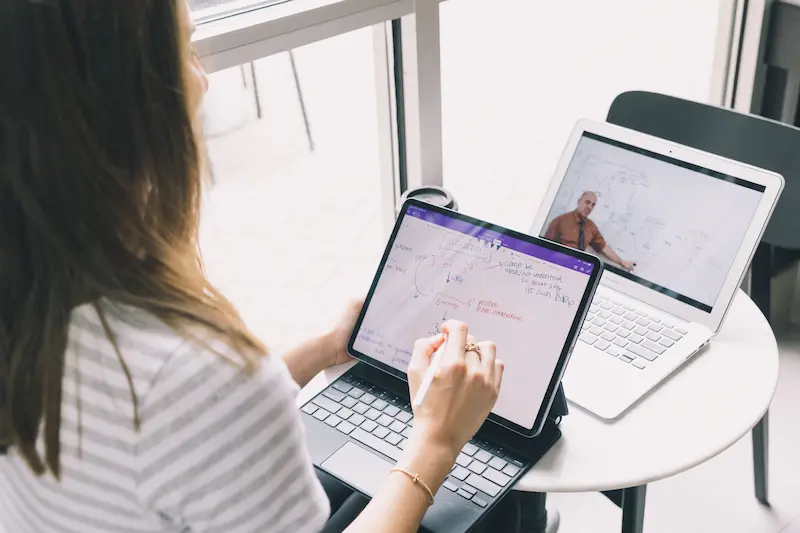
Using Digital Learning Tools is only effective when you use them consistently and with a clear purpose. Instead of downloading many apps, choose a few reliable tools that match your learning goals and use them regularly. Create a daily study routine, review your progress each week, and apply what you learn through practice. Remember that digital tools are designed to support your learning, but your dedication, curiosity, and consistency are what truly lead to long-term success. By combining smart study habits with the right digital learning tools, you can improve your knowledge, develop valuable skills, and achieve your academic and career goals more efficiently.
What are Digital Learning Tools?
Digital Learning Tools are websites, apps, software, and online resources that help people study, organize learning materials, develop skills, and improve knowledge.
Why are Digital Learning Tools important?
They improve organization, productivity, flexibility, collaboration, and make learning more interactive and accessible.
Which Digital Learning Tools are best for students?
Digital notebooks, flashcard apps, study planners, educational videos, quiz platforms, online libraries, and productivity apps are excellent choices.
Conclusion
This guide provides everything you need to improve your learning experience and achieve your educational or career goals. Whether you’re studying for exams, learning a new skill, organizing your notes, or developing professional expertise, the right digital learning tools can make a significant difference. Stay consistent, choose tools that fit your learning style, and remember that continuous learning is one of the best investments you can make for your future.





[…] digital tools reviewed in this guide to digital learning tools for better learning include quiz and flashcard apps that make retrieval practice quick to set up and easy to repeat […]